

The Genesis of Psychoanalysis
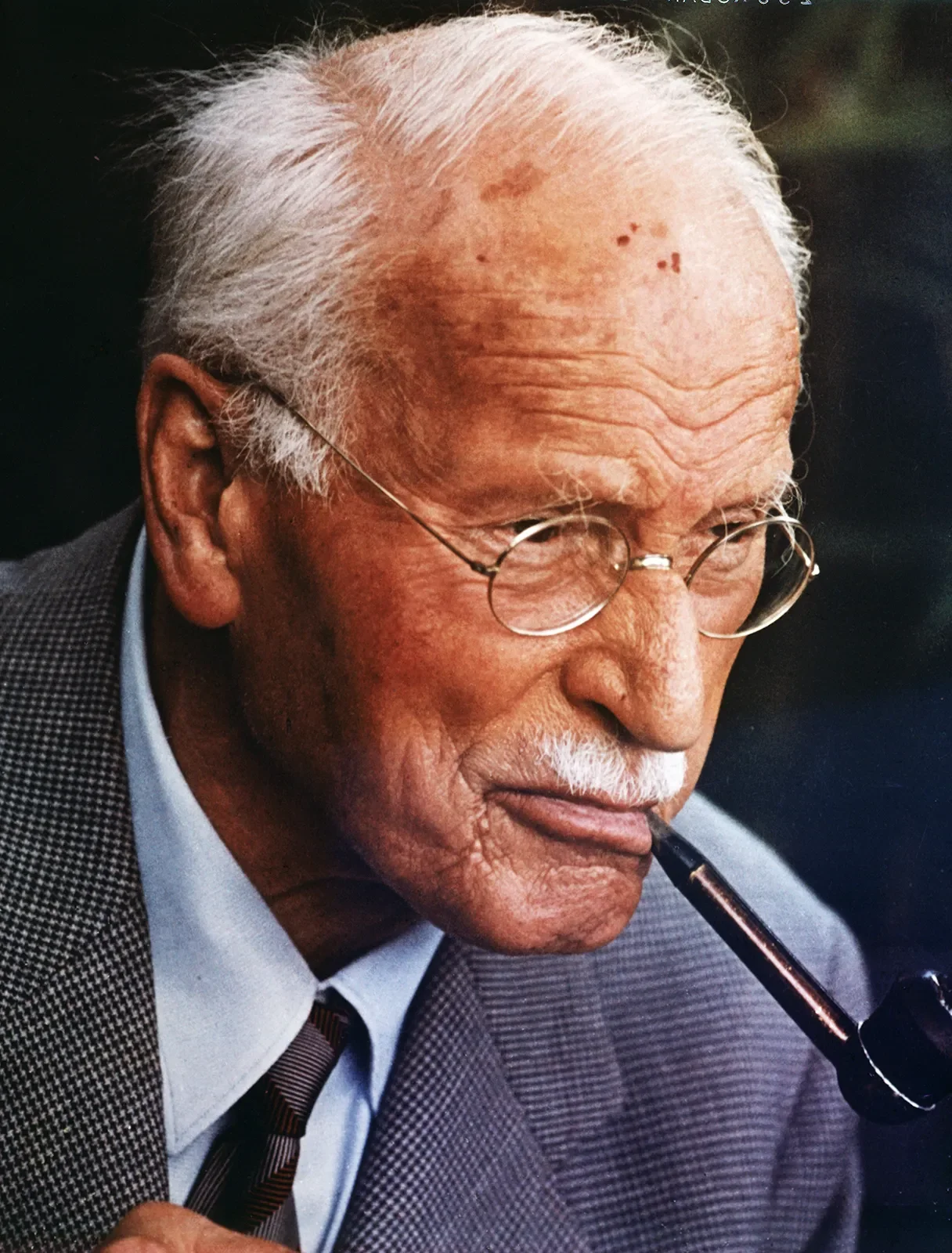
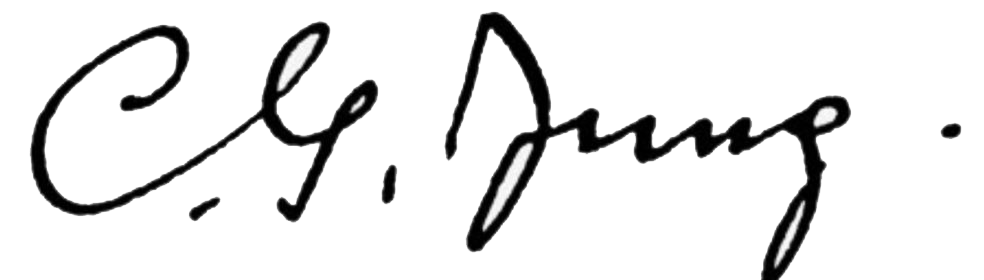
Carl Gustav Jung (July 26,1875 – June 6, 1961), Swiss psychologist, intellectual, and researcher into the inner psychic realm of human beings, was the forerunner, along with his early mentor Sigmund Freud, of modern depth psychology.
While Freud formulated the concept and theories of the “unconscious,” which fascinated the younger psychiatrist Jung, and prompted Freud to see Jung as his protégé and successor. However, over time issues arose between these two powerful figures, with Jung seeing rigidity in numerous areas, including Freud’s dogmatic views of sexuality and religion, resulting in Jung’s parting with the “father of psychoanalysis and creating his own school of “analytic psychology.”
Among the central concepts of analytical psychology is individuation—the lifelong psychological process of differentiation of the self out of each individual's conscious and unconscious elements. Jung considered it to be the main task of human development. He created some of the best-known psychological concepts, including synchronicity, archetypal phenomena, the collective unconscious, the psychological complex, and extraversion and introversion.
“As a pioneering psychiatrist,” writes transpersonal theorist Jean Houston in the Introduction to Carl Jung: Wounded Healer of the Soul, “Carl Jung extended his influence across an astonishing spectrum: medicine, psychology, art, literature, religion, science, the humanities. His wide-ranging vision consistently pointed the way for much of what became the Human Potential Movement, Depth Psychology, and an inclusive universal view of life and its purpose.
“In his own life he was, in many ways, a prototype of the human being still being forged in our time, an archetype of the emerging possible human that I observe struggling into being all over the world. That Jung’s work is a vital bridge linking East and West to each other as well as to the North-South shamanic axis contributes immeasurably to this evolutionary development. In this regard he was one of the first to show how many members of European-derived cultures reveling in technique and objective mastery are sadly lacking in a spiritual awareness and subjective complexity found in aboriginal and indigenous cultures belonging to other stages of historical development.”
Jung’s conception of “archetypes” and “complexes” have fostered further development in depth-psychological work and personality typologies over the past century, while practically promoting human maturation for myriad individuals. His emphasis on dreams, folklore, fairy tales, and “the power of myth,” as popularized later by Joseph Campbell, have impacted countless lives, and returned balance to the merely “logos” (rational, materialist) orientation of Western thought and practice.
As contemporary Jungian, and frequent guest of the Jung Center of Central Ohio, James Hollis says about mythology: “Myth takes us deep into ourselves and into the psychic reservoirs of humanity. Whatever our cultural and religious background or personal psychology, a greater intimacy with myth provides a vital linkage with meaning, the absence of which is so often behind the private and collective neuroses of our time. … The study of myth is the search for that which connects us with our own nature and our place in the cosmos.”
While considering himself a scientist, Jung actually bridged the simultaneous physical and spiritual “worlds,” offering individuals “a world that is a “vale of soul-making” (Keats) rather than a “vale of tears,” ultimately suggesting this, from his autobiography, Memories, Dreams, and Reflections (slightly edited): “The decisive question for human beings is: Are they related to something infinite or not? That is the telling question of life. Only if we know that the thing which truly matters is infinite can we avoid fixing our interest upon futilities, and upon all kind of goals which are not of real importance.”