
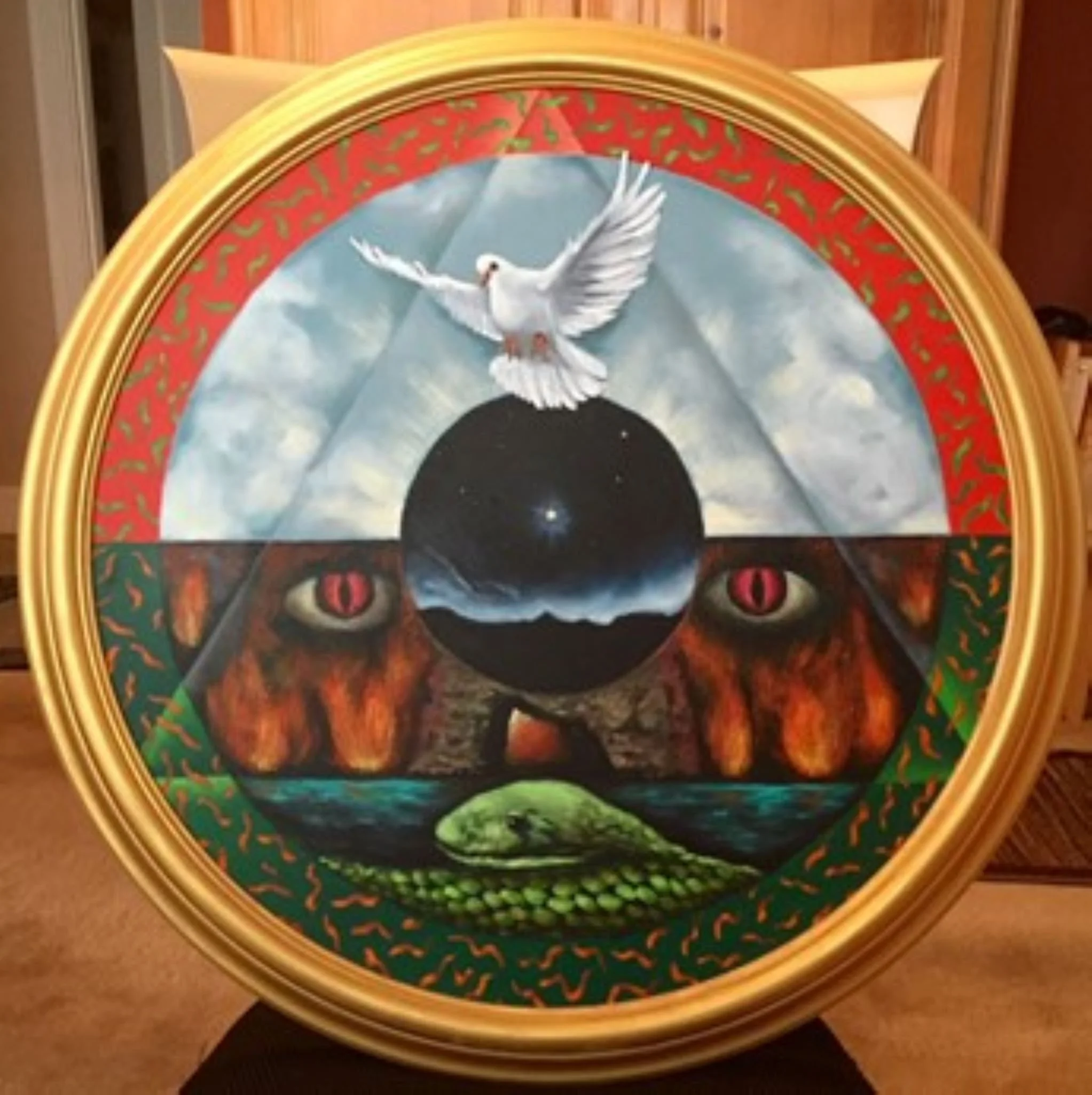
Jung 102

Fundamentals in Jungian Psychology
Synopsis
February 11 is a three-session Jungian Concepts course. Each session is two hours. The second and third sessions are scheduled for February 18 and February 25. Click here for a comprehensive overview of the 3-part lecture series.
Location
All events will be held “live” at First Community North Campus (3777 Dublin Rd., Columbus, Ohio 43221) in Conference Room 101. They will be offered simultaneously by Zoom.
-
Part 1
(Completed)
Part 2
February 11 Wayne Babcock Understanding & Befriending Complexes
February 18 Yvette Nepper Beyond Personality: Individuation & the Journey from Ego to Self
February 25 Mike Schaefer Integration: Honoring Subjective Experience
-
In this we session we will endeavor to explore the concept and value of complexes illuminated by practical clinical examples. Participants will explore one of the most profound and practical concepts in Jungian psychology—the psychological complex. While complexes are often experienced as sources of distress, conflict, or emotional reactivity, Carl Jung understood them as meaningful, autonomous expressions of the psyche that can become powerful allies in the process of psychological growth. Presented from the perspective of a fellow traveler rather than an authority, this session encourages participants to approach the psyche with curiosity, humility, and compassion. Rather than seeking to eliminate complexes, attendees will explore how cultivating a conscious relationship with them can deepen self-awareness, strengthen clinical insight, and support the lifelong journey toward greater psychological wholeness.
Learning Objectives: By the end of this presentation, participants will be able to: Define the Jungian concept of a psychological complex and explain its significance within analytical psychology. Describe how psychological complexes develop through emotionally significant experiences and interact with the ego, the personal unconscious, and the collective unconscious. Recognize the cognitive, emotional, behavioral, and interpersonal signs that suggest a psychological complex has been activated in oneself or others. Evaluate how befriending rather than suppressing or identifying with psychological complexes can promote greater emotional regulation, self-awareness, resilience, and psychological integration. Integrate practical Jungian methods—including reflective dialogue, symbolic exploration, dream work, active imagination, and mindful self-observation—into personal growth or psychotherapeutic practice.
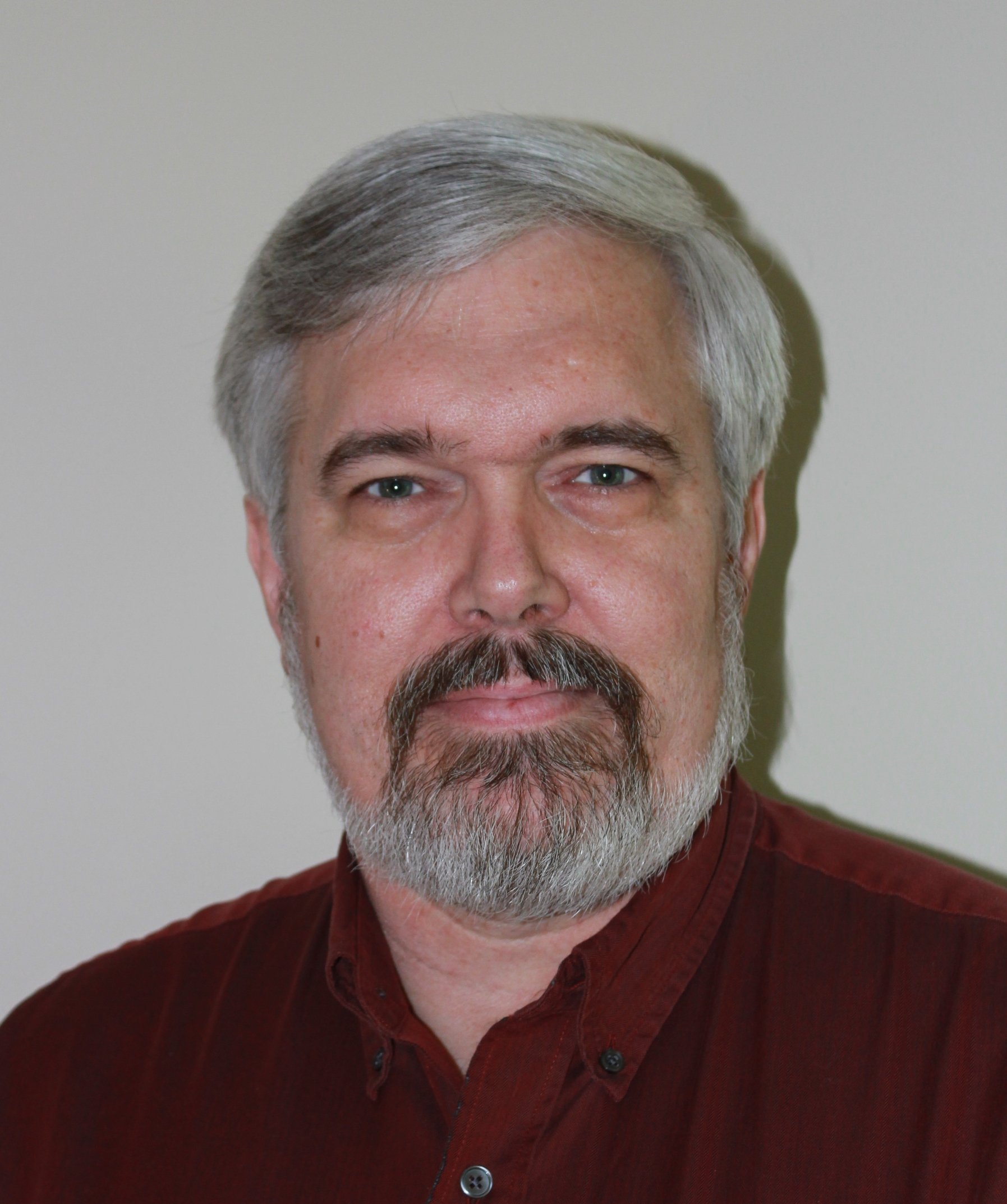
Wayne Babcock, LISW-S is a generalist psychotherapist with an independent private practice in Grandview, Ohio. Though not a Jungian Analyst, he has steeped himself in Jungian psychology and has been a member of JACO for decades. He also is a long-time attendee of the biannual JACO seminar for clinicians. Having worked in nearly all the conceivable entities and practices for mental health service delivery, Wayne considers himself a journeyman whose evolution has culminated in his present-day solo practice focusing on individuals and couples across the developmental spectrum.
-
This seminar introduces participants to the Jungian process of individuation—the unfolding movement toward psychological wholeness through engagement with conscious and unconscious dimensions of the psyche. Through discussion of core Jungian concepts such as the shadow, archetypes, dreams, and the Self, participants will explore how individuation invites a deeper relationship to the inner life and can support periods of transition, identity development, and the search for meaning and authenticity.
Yvette Nepper, MA, LPCC is a queer-identified therapist and artist licensed in Ohio, Arizona, and Minnesota. She specializes in working with artists, LGBTQ+ clients, and individuals drawn to Jungian psychology. Her Jungian-informed approach integrates dialogue, dreamwork, symbolic exploration, and artistic expression to help clients engage the unconscious, deepen self-understanding, and foster creativity and personal growth.
-
Jung provides an effective language that helps us to explore Psyche through the study of dream images and structures like the four functions, and also through understanding the whirlwinds of complexes. As Individuation beckons, learning from others is helpful, but it is not enough. How do I translate this knowledge into what I have experienced? How are these Jungian ideas playing out in my Psyche? What does authentic experience and expression look like and feel like for me?
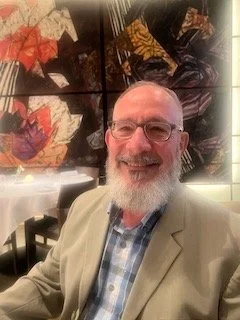
I have been in a continuously developing and fulfilling relationship with my wife for over 45 years. We have five children that we molded and shaped (at least we tried to), and six grandchildren that were perfect from the beginning. I have worked in the construction industry my whole life. During midlife I returned to college and gained a license to practice psychotherapy. I have been interested in Jungian ideas since my 20s and have been a member of JACO since the late 90s. Mike holds an LPCC.
-
Members
Member Registration Part 2: $75.00
CEU's for Members Part 2: $5.00
Participation by Zoom Part 2: $10.00
Non-members
Non-Member Registration Part 2: $90.00
CEU's for Non-Members Part 2: $35.00
Participation by Zoom Part 2: $10.00
Members click below to get tickets for this event.

February 11 is a three-session Jungian Concepts course. Each session is two hours. The second and third sessions are scheduled for February 18 and February 25. Click here for a comprehensive overview of the 3-part lecture series.
Non-members click below to get tickets for this event.

February 11 is a three-session Jungian Concepts course. Each session is two hours. The second and third sessions are scheduled for February 18 and February 25. Click here for a comprehensive overview of the 3-part lecture series.